
Collateralized stablecoins are cryptocurrencies that are designed to maintain a stable value relative to a particular asset or currency, often through the use of collateral. Precious metal-backed stablecoins are a type of collateralized stablecoin that are backed by physical reserves of precious metals, such as gold or silver.
Here are some key things to know about collateralized stablecoins backed by precious metals:
- How it works: The stablecoin issuer will hold a reserve of physical precious metal, typically stored in a secure facility. The issuer then issues tokens that are backed by the value of that reserve, with each token representing a specific amount of precious metal.
- Price stability: The stablecoin is designed to maintain a stable price relative to the underlying precious metal. For example, if one token represents one gram of gold and the price of gold is $50 per gram, the stablecoin token will be worth $50.
- Redemption: In some cases, holders of the stablecoin may have the ability to redeem their tokens for the underlying precious metal at a predetermined exchange rate.
- Trust: The value of the stablecoin is directly tied to the value of the underlying precious metal reserve, so the stability of the stablecoin depends on the trustworthiness and reliability of the issuer.
- Risks: As with any investment, there are risks involved with investing in precious metal-backed stablecoins, including market volatility, counterparty risk, and the potential for fraudulent activities. It’s important to thoroughly research the issuer and assess the potential risks before investing.
- Examples: Examples of precious metal-backed stablecoins include Tether Gold (XAUT), which is backed by gold held in a Swiss vault, and PAX Gold (PAXG), which is backed by gold held in the London Bullion Market Association vaults.
Overall, collateralized stablecoins backed by precious metals offer a potential way for investors to hold exposure to precious metals without the logistical challenges of owning and storing physical metal. However, as with any investment, it’s important to do your own research and fully understand the risks involved before investing.
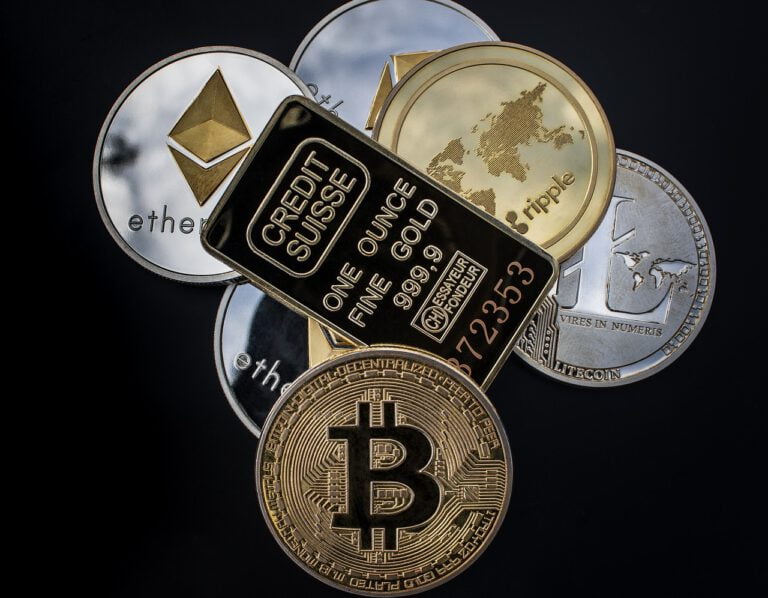
There are some potential advantages and disadvantages of precious metal-backed stablecoins:
Pros:
- Stability: Precious metal-backed stablecoins are designed to maintain a stable value relative to the underlying asset, providing a more stable investment option compared to other cryptocurrencies that may experience significant price fluctuations.
- Inflation hedge: Precious metals are often seen as a hedge against inflation and can help protect against currency devaluation.
- Accessibility: Precious metal-backed stablecoins offer a convenient way for investors to gain exposure to physical precious metals without having to physically own, store, or transport the metal.
- Transparency: The underlying precious metal reserves are typically audited and held in secure storage, which can increase transparency and provide assurance to investors.
Cons:
- Counterparty risk: The stability of the stablecoin is dependent on the trustworthiness and reliability of the issuer. If the issuer is unable to maintain the reserve, the stablecoin could lose value.
- Market risk: The value of precious metals can fluctuate based on supply and demand and other market factors, which can impact the value of the stablecoin.
- Limited adoption: Precious metal-backed stablecoins are a relatively new type of cryptocurrency and have not yet achieved widespread adoption, which could limit liquidity and make it harder to buy or sell the stablecoin.
- Fees: Some stablecoin issuers may charge fees for purchasing or redeeming the stablecoin or for holding the underlying asset in storage.
In summary, precious metal-backed stablecoins are a type of collateralized cryptocurrency that are designed to maintain a stable value relative to physical precious metal reserves. They offer a potentially stable investment option for those looking to gain exposure to precious metals while avoiding the logistical challenges of physically owning and storing the metal. However, like any investment, there are potential risks to consider, such as counterparty risk, market risk, and limited adoption.
As the market for stablecoins continues to evolve, it will be interesting to see if precious metal-backed stablecoins gain broader acceptance and adoption among investors seeking a stable and accessible store of value.