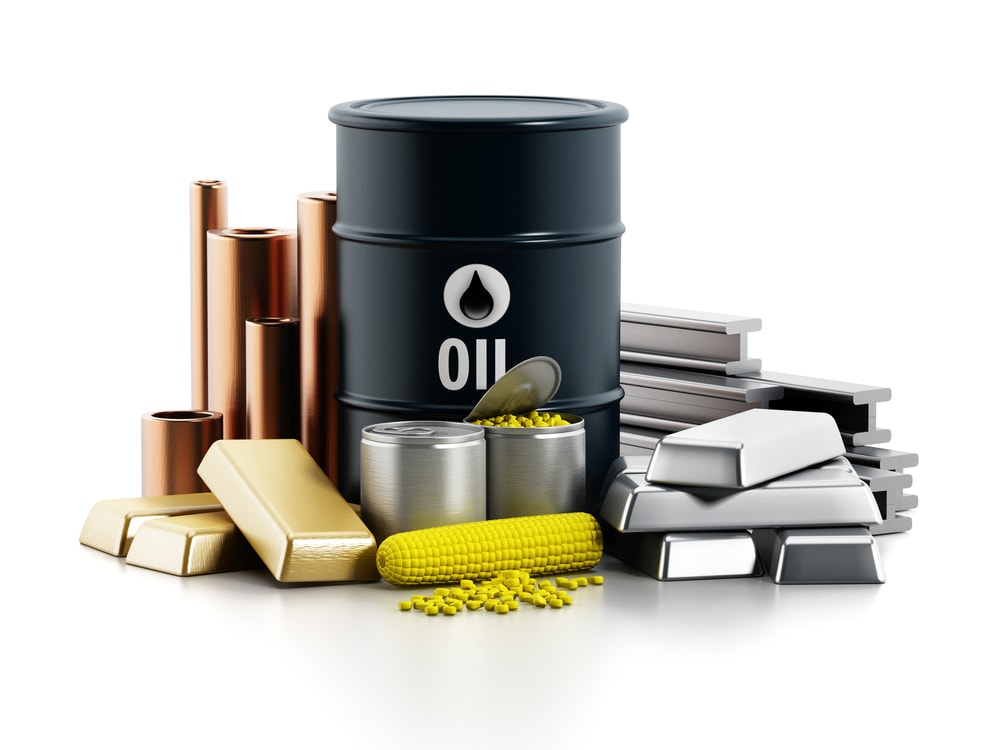
Commodity-backed stablecoins are a type of stablecoin that is backed by a commodity such as gold, silver, oil, real estate, or other physical assets or commodities. Unlike fiat-backed stablecoins that are backed by traditional currencies such as the US dollar or Euro, commodity-backed stablecoins use a tangible asset as collateral.
The basic principle behind commodity-backed stablecoins is that the value of the coin is pegged to the value of the underlying commodity. For example, if one unit of the stablecoin is backed by one ounce of gold, the stablecoin’s value will be equivalent to the current market value of one ounce of gold. This provides the stablecoin with price stability and a store of value.
There are several advantages to using commodity-backed stablecoins. One is that it provides investors with an alternative to traditional financial instruments. Investors who are looking for a safe-haven asset during times of market instability can use commodity-backed stablecoins to protect their investments.
Commodity-backed stablecoins are also appealing to investors who are concerned about the risks associated with traditional fiat-backed stablecoins. Fiat currencies can be subject to inflation, political instability, and other risks, which can impact the value of the stablecoin. Commodity-backed stablecoins are not subject to the same risks, as their value is directly tied to the underlying commodity.
Another advantage of commodity-backed stablecoins is that they provide transparency and traceability. Since the value of the stablecoin is linked to the value of the underlying commodity, investors can easily track the value of their investment and ensure that the asset is secure.
However, there are also some disadvantages to commodity-backed stablecoins. One is that the value of the stablecoin is dependent on the value of the underlying commodity. If the price of the commodity drops, the value of the stablecoin will also decrease. This can create volatility in the price of the stablecoin, which can be a concern for investors.
In addition, the cost of acquiring and storing the underlying commodity can be a significant expense for issuers of commodity-backed stablecoins. This can make the stablecoin more expensive for investors to purchase.
There are several examples already of metals, gold and silver backed stablecoins.
For other commodity backed stablecoins, there are some interesting developments on the international stage.
For example, Venezuela launched the Petro in 2018, which was a cryptocurrency that was supposed to be backed by the country’s oil reserves. The Venezuelan government claimed that the Petro was meant to provide a stable and inflation-resistant currency that could be used for international transactions, pay for government services, and taxes. However, the launch of the Petro was met with skepticism by many in the international community, and the lack of transparency around the Petro’s backing led to concerns about the cryptocurrency’s stability and value. The Petro remains a controversial cryptocurrency that has yet to gain widespread adoption or legitimacy.
Next, there has been recent discussion among the BRICS countries and some policymakers and economists in the Global South countries about the potential benefits of creating a commodity backed stablecoin, which would be backed by a basket of commodities such as gold, silver, and other natural resources. The idea is to reduce the dependence of the BRICs countries and other countries in the Global South on traditional reserve currencies such as the US dollar and to create a more stable and independent financial system and a stable trade currency. However, there are many technical, logistical, and political challenges that would need to be overcome in order to successfully launch and maintain such a currency.
Commodity backed stablecoin offer a unique investment opportunity for those who are looking for a stable store of value that is not subject to the same risks as traditional fiat-backed currencies. By backing the stablecoin with tangible assets such as gold, silver, or other natural resources, investors can be assured that their investment has a degree of price stability and a store of value that is not subject to inflation, political instability, or other risks. However, as with any investment, investors should carefully consider the risks and benefits before investing in commodity-backed stablecoins, and be aware of the challenges associated with managing and storing the underlying commodities that back the currency. The concept of commodity-backed stablecoins is an interesting one that could have significant implications for the global financial system in the years to come.