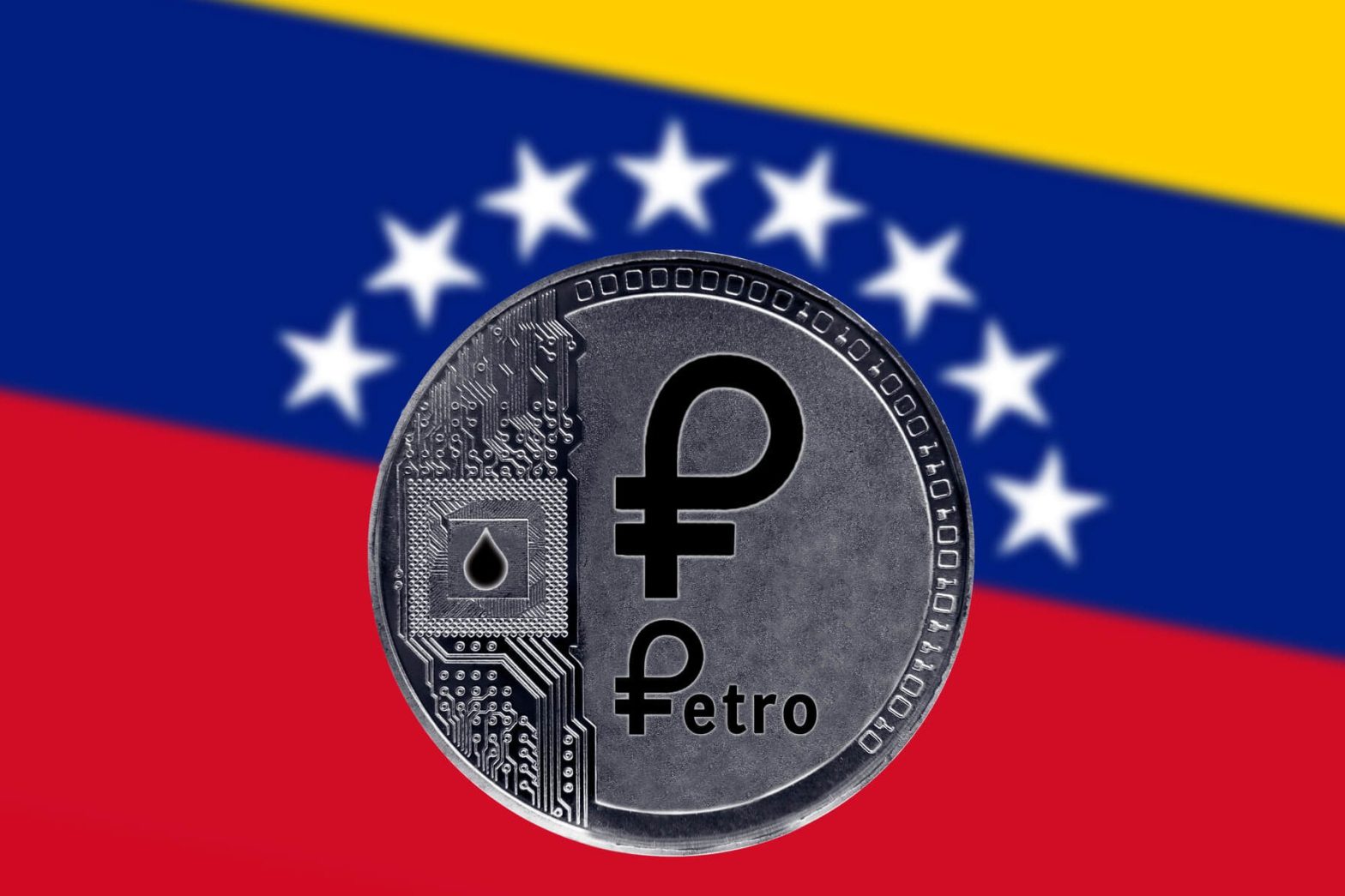
The Venezuela petro stablecoin, or simply known as the petro, is a digital currency that was launched by the government of Venezuela in February 2018. The petro is the first state-backed cryptocurrency in the world and is designed to be backed by the country’s oil reserves.
According to the government of Venezuela, the petro is intended to provide a solution to the country’s economic crisis, which is characterized by hyperinflation and a shortage of foreign currency. The government claims that the petro is a more stable and reliable currency than the Venezuelan bolivar, which has been subject to extreme devaluation in recent years.
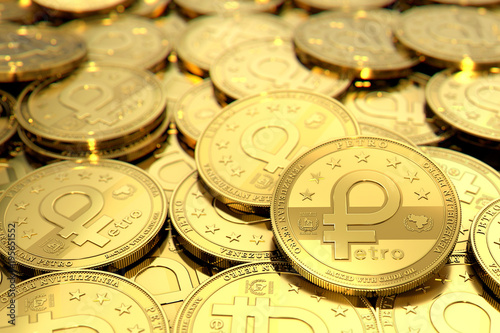
The petro is intended to function as a means of payment for goods and services within Venezuela and to facilitate international transactions, particularly for the purchase of essential goods such as food and medicine. The government has also promoted the petro as a way to bypass economic sanctions imposed by the United States and other countries.
While the government of Venezuela has promoted the use of the petro as a means of payment for goods and services within the country, it is not officially recognized as a legal tender currency in Venezuela. The country’s official currency is still the bolivar, which has been subject to extreme devaluation in recent years.
However, the petro has been the subject of controversy and skepticism since its launch. Critics have raised concerns about the lack of transparency surrounding the petro’s development and the government’s ability to manage the cryptocurrency effectively. In addition, many have questioned the legitimacy of the petro as a means of exchange, given its association with a government that has been widely criticized for corruption and human rights abuses.
Despite these challenges, the petro remains in circulation and is listed on several cryptocurrency exchanges. However, it is not widely used within Venezuela or internationally, and its future remains uncertain.
The exact market capitalization and trading volume of the Venezuela petro stablecoin are difficult to determine, as the government of Venezuela has not provided transparent information on the cryptocurrency’s usage and adoption. Additionally, the petro is not traded on most major cryptocurrency exchanges, which makes it difficult to assess its market performance.
There have been reports of limited usage of the petro within Venezuela, with some government agencies and state-run businesses reportedly accepting the cryptocurrency as a form of payment. However, it is not widely used by the general public, and there are few merchants or businesses outside of Venezuela that accept it.
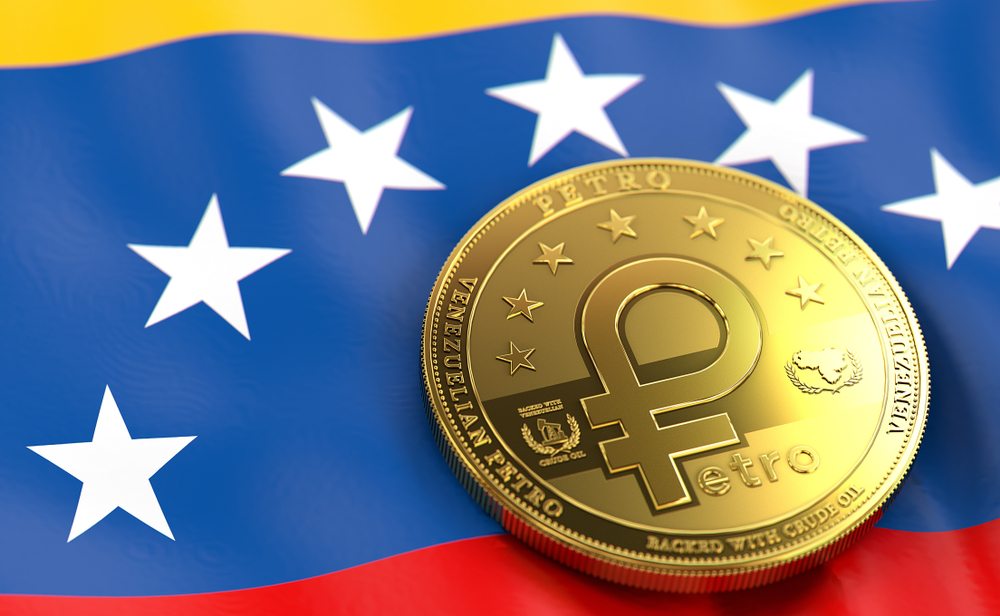
Internationally, the petro has been subject to economic sanctions imposed by the United States and other countries, which have made it difficult for the cryptocurrency to gain widespread acceptance. Several cryptocurrency exchanges have delisted the petro due to concerns over its legitimacy and the risks associated with doing business with the Venezuelan government.
Overall, the adoption and usage of the petro remain limited, and its future as a viable cryptocurrency is uncertain. While the government of Venezuela continues to promote the petro as a solution to its economic crisis, many within the cryptocurrency community remain skeptical of its prospects and wary of doing business with the Venezuelan government.
As a concept however, it is possible for other countries or organizations to create commodity-backed stablecoins similar to the Venezuela petro. The idea of a stablecoin backed by a physical commodity such as gold or oil has been discussed by some experts as a potential solution to the volatility and lack of stability associated with many cryptocurrencies.
A commodity-backed stablecoin could provide a more stable and reliable currency that is not subject to the fluctuations of the market or the influence of geopolitical factors. By tying the value of the stablecoin to a tangible commodity, the stablecoin would have an intrinsic value that could help to maintain its stability and provide confidence to users and investors.