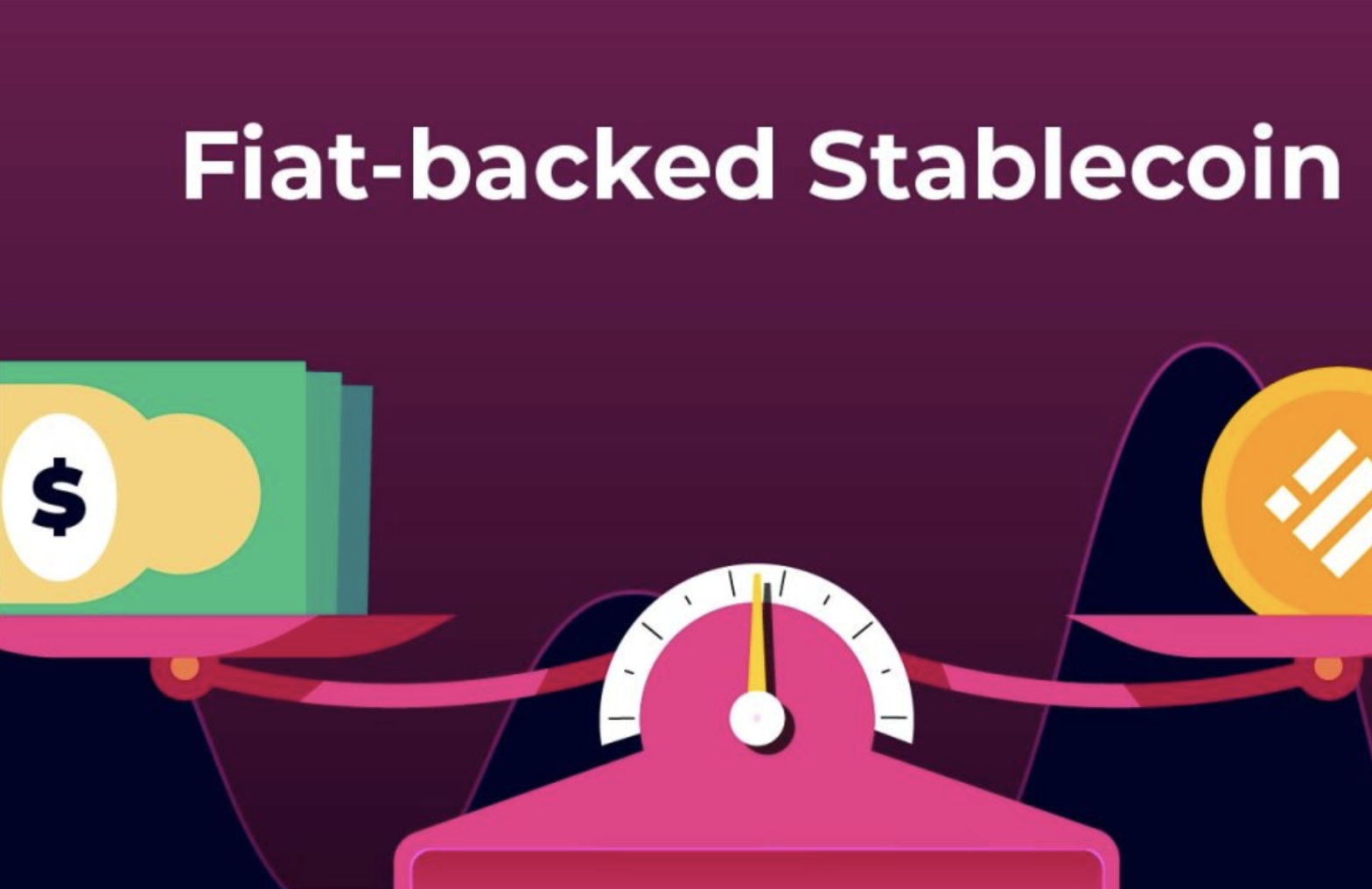
Fiat backed stablecoins (also called fiat-collateralized stablecoins) hold their value by maintaining a reserve of the underlying fiat currency that the stablecoin is pegged to. The reserve is held by the issuer of the stablecoin and is meant to ensure that there is always enough collateral to support the value of the stablecoin.
For example, if a stablecoin is pegged to the US dollar, the issuer of the stablecoin would need to hold an equivalent value of US dollars in reserve. If the market demand for the stablecoin decreases and the value of the stablecoin starts to fall, the issuer can sell some of the US dollars from the reserve to buy back the stablecoin and increase its supply, helping to maintain its value.
In this way, the reserve serves as a safety net to ensure that the stablecoin maintains its value relative to the underlying fiat currency. Additionally, some stablecoin issuers provide regular audits and transparent information about their reserves to increase transparency and confidence in the stability of the stablecoin.
Fiat backed stablecoins are usually issued by centralized organizations, such as financial institutions or payment providers, and are designed to provide the benefits of cryptocurrencies, such as fast and low-cost transactions, with the stability of a traditional fiat currency.

Here are some of the most popular examples of fiat-collateralized stablecoins and a brief overview of each:
Tether (USDT): Tether is a cryptocurrency that is pegged to the US dollar, with each Tether token meant to represent one US dollar. Tether is one of the most widely used stablecoins and is often used as a substitute for US dollars on cryptocurrency exchanges.
USDC: USDC is a stablecoin that is pegged to the US dollar and is backed by a reserve of US dollars held by Circle, a financial services company. USDC is transparent, auditable, and built on the Ethereum blockchain, making it a popular choice for decentralized finance (DeFi) applications.
PAX: PAX is a stablecoin that is pegged to the US dollar and is issued by the Paxos Trust Company. PAX is built on the Ethereum blockchain and is designed to provide a stable, transparent, and regulatory-compliant alternative to traditional fiat currencies.
BUSD: BUSD is a stablecoin that is pegged to the US dollar and is backed by a reserve of US dollars held by Binance, a leading cryptocurrency exchange. BUSD is designed to provide a stable and secure digital alternative to US dollars for use in the cryptocurrency ecosystem.
GUSD: GUSD is a stablecoin that is pegged to the US dollar and is issued by Gemini, a regulated cryptocurrency exchange. GUSD is designed to provide a stable and secure alternative to US dollars for use in the cryptocurrency ecosystem.
In summary, fiat backed stablecoins are a type of cryptocurrency that aim to maintain a stable value relative to a specific fiat currency, such as the US dollar, by holding a reserve of the underlying fiat currency to back each digital token issued.